Achieving UK Fire Compliance: A Practical Guide for Your Business
- Humphrey Luke
- Apr 6
- 4 min read

Ensuring your business meets UK fire compliance standards is essential. It protects your premises, employees, and visitors while helping you avoid legal penalties. Fire safety is not just about ticking boxes; it’s about creating a safe environment where risks are managed effectively. In this guide, I will walk you through the key steps to achieve and maintain fire safety compliance in the UK.
Understanding UK Fire Compliance Requirements
UK fire compliance is governed primarily by the Regulatory Reform (Fire Safety) Order 2005. This legislation applies to almost all non-domestic premises, including offices, shops, factories, and care homes. It places the responsibility on you, as the business owner or landlord, to ensure fire safety measures are in place and regularly reviewed.
You must carry out a thorough fire risk assessment. This assessment identifies potential fire hazards, evaluates the risk to people, and outlines necessary precautions. It’s not a one-time task but an ongoing process that adapts as your business changes.
Some key elements to focus on include:
Fire detection and warning systems: Ensure smoke alarms and fire alarms are installed and maintained.
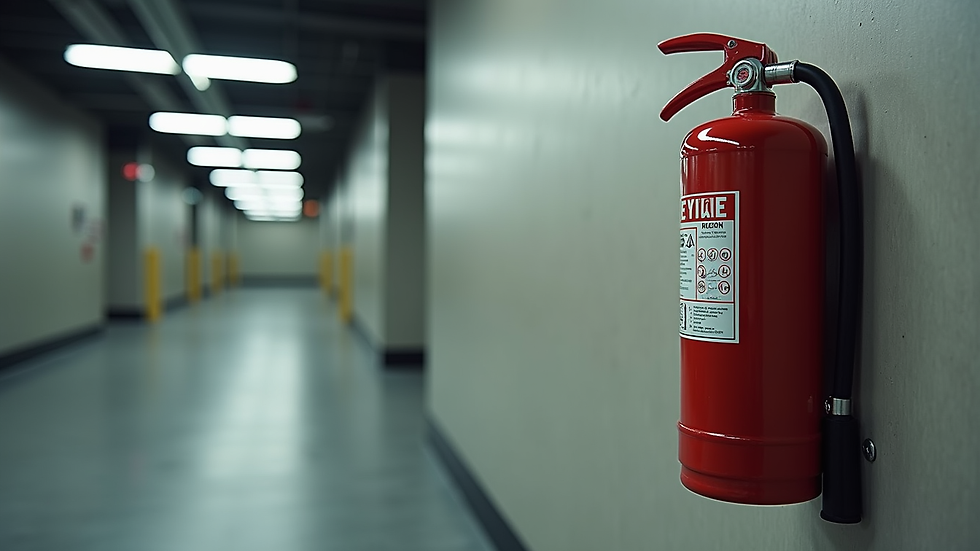
Firefighting equipment: Provide appropriate extinguishers and train staff on their use.
Emergency routes and exits: Keep escape routes clear and well-signposted.
Staff training: Regularly train employees on fire safety procedures and evacuation plans.
Record keeping: Document your fire risk assessments, maintenance, and training activities.
By understanding these requirements, you can create a safer workplace and demonstrate your commitment to compliance.
Steps to Implement Effective Fire Safety Measures
Once you understand the legal framework, the next step is to put practical measures in place. Here’s a clear, step-by-step approach to help you achieve this:
Conduct a Fire Risk Assessment
Start by identifying all fire hazards in your premises. Look for sources of ignition, flammable materials, and potential fuel for fires. Assess who might be at risk, including employees, visitors, and contractors.
Develop a Fire Safety Plan
Based on your assessment, create a plan that outlines fire prevention strategies, emergency procedures, and responsibilities. This plan should be accessible to all staff.
Install and Maintain Fire Safety Equipment
Fit smoke detectors, fire alarms, and extinguishers appropriate to your premises. Schedule regular maintenance checks to ensure everything works correctly.
Train Your Staff
Fire safety training should be part of your induction process and refreshed regularly. Make sure everyone knows how to raise the alarm, use firefighting equipment, and evacuate safely.
Review and Update Regularly
Fire safety is dynamic. Review your risk assessment and safety plan at least annually or whenever there are significant changes to your premises or operations.
By following these steps, you will build a robust fire safety culture that protects your business and people.
Common Challenges and How to Overcome Them
Many businesses face challenges when trying to meet fire safety standards. Recognising these obstacles early can help you address them effectively.
Lack of Awareness
Sometimes, fire safety is overlooked because it seems complex or time-consuming. To overcome this, break down the process into manageable tasks and seek expert advice if needed.
Inadequate Training
Staff may not take fire safety seriously without proper training. Use engaging training sessions and regular drills to keep everyone prepared.
Poor Maintenance
Fire safety equipment can fail if not maintained. Set up a maintenance schedule and assign responsibility to ensure nothing is missed.
Changing Regulations
Fire safety laws can evolve. Stay informed by subscribing to updates from official sources or consulting with fire safety professionals.
Addressing these challenges head-on will help you maintain compliance and reduce fire risks.

How to Choose the Right Fire Safety Partner
Sometimes, managing fire safety alone can be overwhelming. Partnering with a trusted fire safety expert can make a significant difference. When selecting a partner, consider the following:
Experience with UK Regulations
Ensure they understand the specific requirements for your sector and location.
Comprehensive Services
Look for providers who offer risk assessments, training, equipment supply, and maintenance.
Clear Communication
Your partner should explain complex regulations in simple terms and provide practical advice.
Reputation and References
Check reviews and ask for references to confirm their reliability.
A good fire safety partner will help you stay compliant, reduce risks, and give you peace of mind.
Maintaining Compliance Over Time
Achieving compliance is just the beginning. Maintaining it requires ongoing effort and vigilance. Here are some tips to help you stay on track:
Schedule Regular Reviews
Set reminders to review your fire risk assessment and safety plan at least once a year.
Keep Records Updated
Document all training sessions, equipment checks, and incidents. This documentation is vital if you ever need to demonstrate compliance.
Engage Your Team
Encourage staff to report hazards and participate in fire drills. A proactive team is your best defence.
Stay Informed
Fire safety standards can change. Subscribe to official updates and attend relevant training or seminars.
By embedding fire safety into your daily operations, you create a safer environment and protect your business from costly issues.
Taking the Next Step Towards Safety
Achieving and maintaining fire safety compliance is a continuous journey. It requires commitment, knowledge, and practical action. By following the steps outlined here, you can confidently protect your premises and people.
If you want to learn more about how to meet your obligations and implement effective fire safety measures, consider consulting with experts who specialise in UK fire compliance. Remember, investing in fire safety is investing in the future of your business.
For more detailed guidance on fire safety compliance, visit the official government website.
Stay safe and proactive - your business depends on it.


Comments